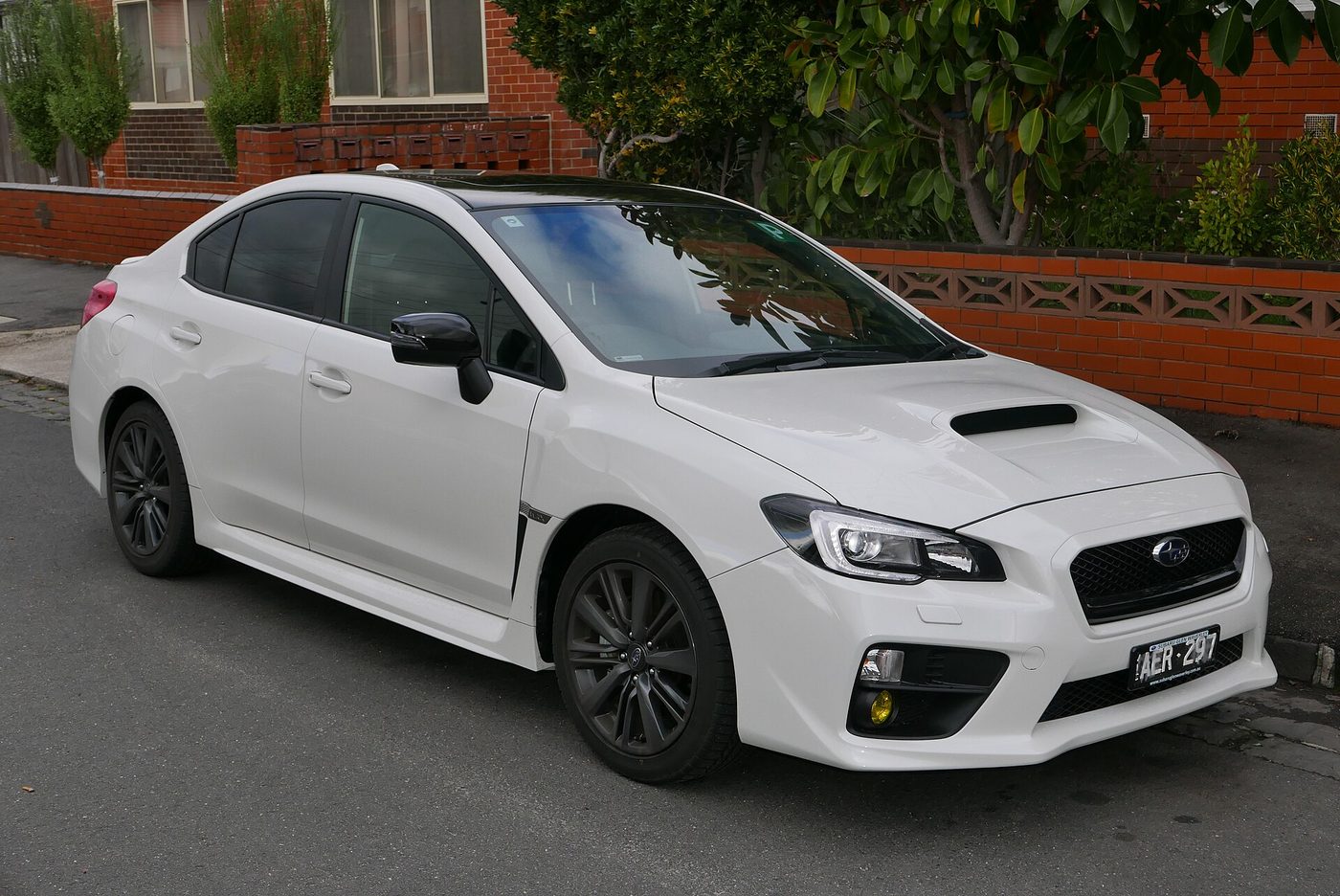
Quick take
The 2015 WRX is the first year of a redesigned car, and it is the one most buyers meet first because it is usually the cheapest way into the newer generation. It suits someone who wants a quick, grippy sedan for all weather and is willing to do homework. It is not a car to buy on a test drive and a handshake.
Three things to verify. First, the engine: owners filed more complaints about the engine than any other system, and several describe internal bearing damage. Second, the clutch and release bearing on manual cars. Third, whether the car has been modified or tuned, because that changes everything else about the purchase.
What changed for 2015
This was the debut year for the third-generation car. The WRX stopped being a trim of the Impreza and became its own model, sold as a sedan only. It also changed engines, moving to a 2.0-liter turbocharged four-cylinder with direct fuel injection. A six-speed manual was the standard gearbox, and an automatic was available as an option.
Because the car was brand new, 2015 is also where first-year issues tend to show up. Two of the three recalls on record are limited to 2015 or to 2015 and 2016 cars, and one of those applies only to cars built in a set window during 2015. The WRX STI is a separate, more focused car you might cross-shop. Federal data may mix the two, so do not assume a WRX complaint or recall number says anything exact about an STI.
Known trouble spots to check
This model year has 52 owner complaints in the federal database. The two biggest groups are the engine and the power train, at 18 each.
Engine. Owners describe several different things here. A few report a ticking or rattling noise followed by a loss of power, and in some cases a shop found a failed connecting rod bearing. Others describe a clunk they could not place, a cracked turbocharger intake duct causing rough idle and stalling, a leaking head gasket with coolant vapor, or a secondary air pump that kept failing. Some of these owners say the car was stock and serviced on time, and some say the repair was done under warranty. That tells you the age and mileage of a car matters less than its history. On a test drive, listen for knocking or ticking when the engine is warm, watch for a check engine light, and check the oil level and condition. Ask whether the engine has ever been opened up.
Power train. Most of these complaints are about the clutch. Owners describe a clutch that wore out early, a squeak or whir when the pedal is pressed, a car that would not move in first gear, and a burning smell after hill driving. A few name the release bearing or fork. One mentions a worn transmission mount. On a test drive, feel the pedal for roughness, listen with the pedal in and out, and make sure the clutch bites cleanly without shuddering.
Electrical. Six complaints describe batteries that die early or drain while parked, plus a few one-off faults such as an airbag warning in cold weather. Check that the car starts promptly and ask how old the battery is.
Exterior lighting. Five owners, mostly in cold climates, describe a "headlights disabled" message that switched off the lights until the car warmed up. If you can test the car on a cold morning, do. Otherwise, watch the dash for that message and make sure both headlights, the daytime lights and the signals work.
Structure. Four complaints mention rust inside the trunk or at a door pillar. Open the trunk, lift the mat and look at the seams and the spare well.
Some general checks apply to any WRX this age:
- Sunroof glass. Two owners say sunroof glass broke without warning. If the car has a sunroof, inspect the glass and the seal.
- Fluid leaks. Look under the car for oil, coolant and differential leaks. One owner says a dealer found problems with the rear differential seals and front axles.
- Boost and intake. Look at the intake pipes and clamps for cracks or loose fittings, particularly on a car that someone has touched.
- Tires and brakes. Uneven tire wear can point to alignment problems or hard driving. Look at pad thickness and the rotors for scoring or a heavy lip.
- Cooling. The temperature gauge should settle and stay put, and the cooling fans should cycle normally.
Recalls on a car this age
The data lists three recalls for the 2015 WRX. Repairs are free at any Subaru dealer, whoever owns the car now.
- Turbocharger air intake duct. This covers certain 2015 and 2016 WRX cars built from April 10 to October 21, 2015, plus certain Forester 2.0XT cars. The duct may crack and cause the engine to stall. One owner says a car built before the cutoff cracked the same way and was not covered, so a car outside the window is not automatically safe.
- Trunk subwoofer wiring. This covers certain 2015 WRX and WRX/STI cars with the optional factory subwoofer in the trunk. Cargo can push the wiring against the metal frame and cause a short. If the car has that optional subwoofer, look at it and check the recall.
- Backup light switch. This covers certain 2015 to 2021 WRX cars. The switch may corrode, so the backup lights and the rearview camera may not work in reverse.
Run the VIN at NHTSA's free recall lookup to see what applies to the exact car and whether repairs were done. Do not rely on the seller saying "it was handled."
Test-drive checklist
- Arrive early and ask that the car not be warmed up. Listen on a cold start for rattles, ticking or a rough idle, then watch the dash for warning lights.
- Check the oil on the dipstick before you drive. Note the level and whether it looks clean. Ask for oil change records and what oil was used.
- Press the clutch several times in the parking lot. It should feel smooth and consistent, with no squeak or whirring, and no grinding when you select first or reverse.
- Drive in each gear. Under moderate load the pull should be smooth, with no hesitation, surging or flat spots in boost. Do not floor it on a car you do not know.
- Pull away from a stop on a gentle slope. There should be no slip, no burning smell, and no judder.
- Brake hard from a safe speed. The car should stop straight, with no pulsing and no wandering. Then take a few corners and listen for clunks from the steering or suspension.
- If you can, run the car for 15 minutes, then check for coolant smells or white vapor, and check the temperature gauge.
- Test the lights, rear camera in reverse, windows, locks and audio, and check for the headlight warning.
Before you hand over money
Do three things before you pay.
- A VIN recall check, using the NHTSA lookup above.
- A vehicle history report, to look for accidents, title problems and odometer issues.
- An independent pre-purchase inspection by a shop that works on turbocharged Subarus. Ask them to check compression or leak-down if the car has a history of noise, scan for stored codes, and look under the car for leaks.
Ask the seller direct questions about modifications. Is the car stock? If not, what was changed, who tuned it, and does the seller have the tune file and the original parts? Has it been used on a track or drag strip? Ask for receipts, not promises. A tune can change how the engine, clutch and cooling system are stressed, and a shop may tell you they cannot easily return it to stock.
Then use the payment calculator to see what the monthly cost looks like with tax, fees and interest included.
Is it the right car for you?
The 2015 suits an enthusiast who wants a first-year car at a sensible price, will keep up with maintenance, and is happy to have an independent shop inspect it. It also suits someone who drives in snow or rain and wants all-wheel drive in a sporty package.
It is a poorer fit if you want a car you can buy and forget, or if you plan to modify it heavily yourself and need warranty support. Buyers who want a calmer, later car may prefer to read about the 2016 or 2019 years first. The overview explains how the generation fits together.
Bottom line
A 2015 WRX can be a rewarding car, but engine and clutch complaints make condition and records more important than mileage or price. Confirm the recalls, find out exactly what has been modified, and let an independent inspection make the call.