Quick take
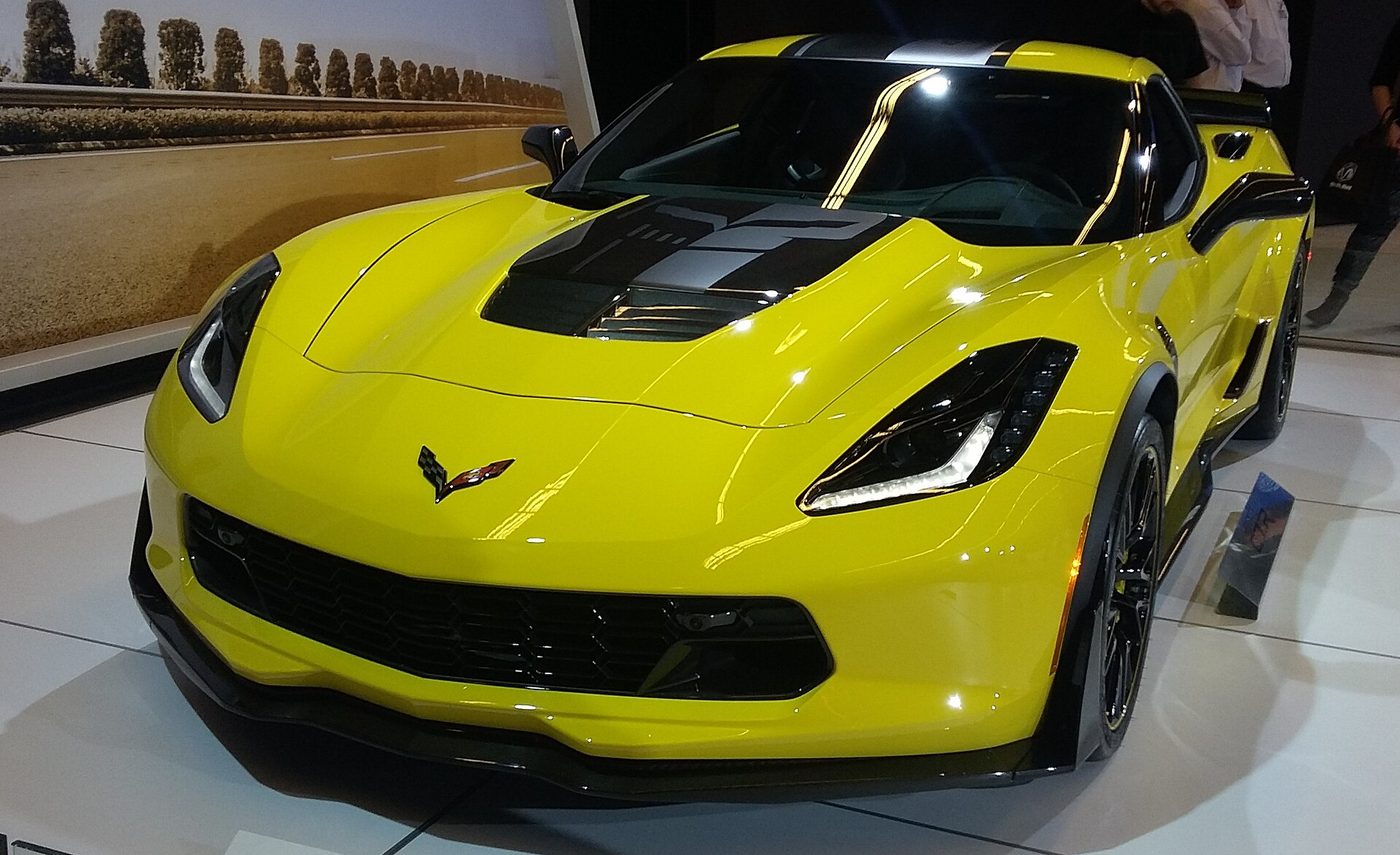
The 2016 Corvette is a mid-generation C7 with the full set of versions from the Stingray to the Z06. It is a good fit for a buyer who wants modern performance and is willing to do homework. It is a poor fit for someone who wants to skip inspection and trust the badge.
Three things to verify. First, the wheels: complaints about cracked wheels are far more common on this year than any other topic, and NHTSA lists 59 of the 105 complaints under wheels. Second, the fuel system, where owners describe fuel odor and leaks near the top of the tank. Third, the behavior of any automatic transmission, because shudder at steady speeds comes up often. Recall data and the complaint chart further down this page back up those priorities.
What changed for 2016
This is the third C7 model year, so the car is past its launch period. Its basic design was the same as the 2015 car, and it was still sold as the Stingray, the Stingray with the Z51 performance package, and the supercharged Z06. Automatics used an eight-speed and manuals used a seven-speed.
I am not listing smaller feature changes here because they vary by trim and package, and they are easy to verify from the window sticker. Ask the seller for the original build sheet or window sticker, or look up the car's options by VIN. The package list tells you more about how the car was meant to be used than the model year does.
One useful contrast with 2015 is the recall record. The 2016 data shows only the two airbag software recalls, and none of the narrow build-window recalls that applied to certain 2015 cars. That does not make a given car clean. It just means the open-recall question here is mainly about one software issue.
Known trouble spots to check
NHTSA lists 105 complaints for the 2016 model year. The biggest groups are wheels (59), fuel system (14), power train (13), electrical (6), engine (6) and steering (5). Complaint counts do not tell you how many cars are affected, and the data mixes versions, so use them to decide where to look.
Wheels. This is the dominant pattern. Owners describe a slow air leak or a tire pressure warning, followed by a crack on the inside lip of a rear wheel. Some say the crack returned after a repair or after a replacement wheel. A few say the wheel cracked at low mileage with no impact. Others describe vibration at highway speed from a wheel that had distorted. Some owners of Z06 cars suspect the wheel design, but that is an opinion, not something this page can confirm. Look at the inside barrel of every wheel with a light, and ask whether any wheel has ever been repaired, replaced or welded. Ask if the tires have been losing air.
Fuel system. Owners describe a fuel smell in the garage, wet fuel near the top of the tank and a check engine light. Several mention a letter from GM about cracks in a fuel pump module flange on some 2016 cars, along with a related warranty program. One complaint describes a fire at a track event and a warranty claim denial because the car was modified. Whatever the facts of that case, it shows why you should ask a dealer whether the program applies to the VIN, and whether the work has already been done. Smell the rear of the car after a drive, and look at the ground under it.
Power train. Complaints describe shudder at light throttle and steady highway speeds, hesitation between second and third gear, erratic cold shifts and a torque converter diagnosed as the cause. Some say a dealer flushed the fluid and the problem returned, or that a service bulletin was involved. Others mention a broken valve spring that led to an engine replacement. Drive an automatic across the 50 to 80 miles per hour range at a gentle throttle. On a manual car, check clutch engagement and shift feel, and ask how many times the clutch has been replaced.
Electrical and steering. Several owners say power steering assist cut out while driving, with a message on the dash, and that restarting the car cleared it for a while. Some of those owners point to a steering recall for other model years. The recall data for 2016 does not list one, so do not assume anything either way. Ask a dealer to check the VIN and ask the seller if the steering has ever failed. Other electrical complaints mention a rear axle service message, a dead blower motor and infotainment glitches.
General checks:
- Overheating under hard use. One complaint describes overheating and reduced power after repeated hard acceleration. Ask whether the car has been driven hard on track days and whether the cooling system has been serviced.
- Convertible tops. One owner describes air leaks and wind noise on a convertible. Check seals and top operation.
- Glass and mirror. Complaints mention a mirror coating that degraded and a windshield crack that started at the corner. Check both.
- Dashboard. One owner reports a dashboard structure separating. Press along the dash and look for gaps.
Recalls on a car this age
The 2016 record includes two recalls, and both cover the airbag system.
- Airbag software, first recall. GM recalled certain 2014 to 2017 Corvettes, and many other GM vehicles. The airbag sensing and diagnostic module software could start a diagnostic test under certain driving conditions. During that test, the frontal airbags and seat belt pretensioners would not deploy in a crash.
- Airbag software, follow-up. A second recall says that some vehicles previously repaired under the first recall may not have received the complete software update. If a seller says the first one was done, the VIN check still matters.
Recall repairs are free at a Chevrolet dealer, whoever owns the car. Run the VIN through NHTSA's free recall lookup, and get any open item fixed before you buy or right after.
Test-drive checklist
- Walk around the car first. Check panel gaps, paint match and the front splitter and underbody for scrapes.
- Start the engine cold and listen for rattles, ticking or a rough idle. Watch the gauges and the driver display.
- Drive on a bumpy road if you can. A steering wobble, a vibration or a tire that keeps losing pressure points to wheel trouble.
- Hold a light throttle at 50 to 80 miles per hour, and feel for shudder through the seat. Repeat in several gears.
- Brake hard from highway speed. The pedal should be firm and the car should stop straight. Look for deep grooves or heavy lips on the rotors.
- In a manual, check clutch slip under load, pedal height and feel, and listen for noises when you press the pedal. A tune or a clutch upgrade changes the feel.
- Turn the wheel lock to lock in a parking lot. Listen for clunks, and note any power steering messages. Use the infotainment screen and backup camera for several minutes.
- After the drive, let the car idle, then check the temperature gauge, look for leaks and smell near the rear of the car.
Before you hand over money
Do three things before you pay:
- VIN recall check, using the free NHTSA lookup above, plus a call to a dealer to ask about any fuel pump or steering programs tied to that VIN.
- Vehicle history report, to look for accidents, title brands and odometer problems.
- Pre-purchase inspection by an independent shop that knows C7 Corvettes, including a wheel inspection and a scan for stored codes.
If the car is modified, ask what parts were installed, who did the work, and whether a tuner changed the engine or transmission software. Ask for the tune file, receipts and a dyno sheet if there is one. Ask whether the car has been on a track, and how often. A seller who can show records is easier to trust than one who says it has always been stock.
Use the payment calculator to estimate a monthly payment with tax, fees and interest.
Is it the right car for you?
The 2016 Corvette fits a buyer who wants a quick, comfortable grand tourer and will pay for a careful inspection. It also suits an enthusiast who wants to track the car and understands that track use raises the stakes on wheels, brakes and cooling. See the 2015 and 2017 reports to compare, or read the overview.
Look elsewhere if you want a set-and-forget daily driver, if you cannot inspect the wheels, or if the seller will not discuss modifications.
Bottom line
The 2016 Corvette has a lighter recall record than 2015, but the complaint data points heavily at wheels, then fuel pump issues and transmission shudder. Check those first, verify recalls by VIN, and learn the full history before you buy.